Mon to Sat 7:00am to 9:00pm, Sun 9:00am to 9:00pm

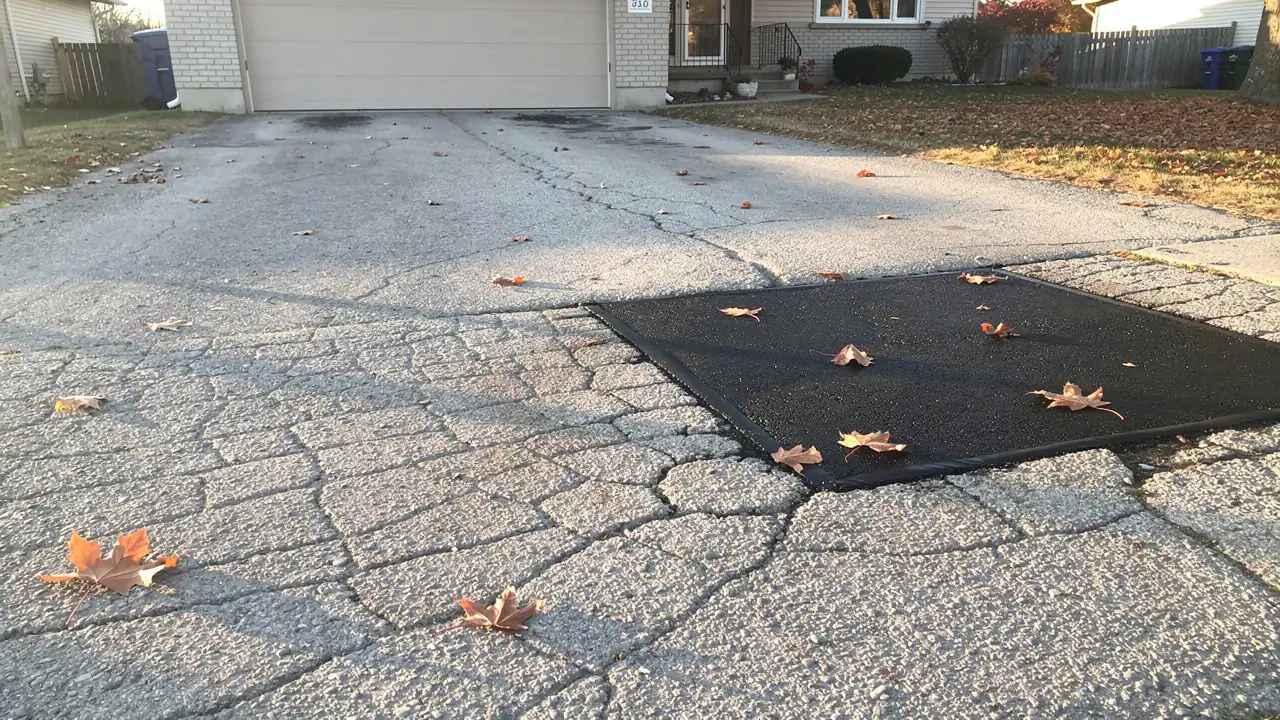
Saw-cut asphalt patch on Kitchener driveway

Saw-cut, full-depth patching

Asphalt Patching and Pothole Repair in Kitchener

Kitchener Asphalt Paving Pros repairs potholes by cutting the damage out, not by shovelling cold mix into it. We saw-cut square edges into sound pavement, dig out wet or loose base, rebuild it with compacted stone and lay hot mix that is rolled flush with the surface around it.

Homeowners book us for a single pothole by the garage or a broken edge at the street. Property managers book multi-area patch programs for plaza lots, condo roads and industrial yards, and rural owners call when one soft spot on a private lane starts to spread.

After 14 seasons of asphalt driveway repair in Waterloo Region, the call we get most often is about a pothole someone else filled last year. Fixing the reason it formed is what keeps it from coming back.

What we patch

Asphalt Patching and Pothole Repair Services

We patch everything from one driveway pothole to a lot-wide repair program on a commercial property. Crews work out of our Kitchener shop and patch regularly in Waterloo paving and repair jobs and on Cambridge plaza and driveway work along Hespeler Road and in Galt and Preston.

Driveway Potholes and Broken Edges

Most residential patches sit where tires turn at the garage, where a downspout drains onto the asphalt or along an edge with no lawn or curb holding it in. We patch the hole and, where the edge has crumbled, rebuild the stone shoulder that supports it.

Parking Lot Patch Programs

We walk the lot, number every failed area and patch them in one mobilization, working around entrances so the business stays open. Larger rebuilds are handled through our parking lot paving crews.

Private Roads, Lanes and Yards

Truck traffic needs deeper patches with an HL8 binder lift under the HL3 surface. We patch condo roads, farm lanes and industrial yards built by our private road and laneway paving team or by anyone else.

Seamless Patches by Infrared

When the base is sound and the damage is shallow, infrared asphalt repair heats and blends new mix into the old surface with no saw-cut seam. We tell you on site which method fits each spot.

Root causes

Why the Same Pothole Comes Back Every Spring

A pothole comes back when the repair filled the hole but left the water and the weak base that made it. Winter freeze-thaw does the rest, a cycle our asphalt repair overview explains stage by stage.

When we open up a repeat pothole, we nearly always find one of these four causes underneath.

The old fill sat on wet base

Cold mix shovelled into a hole and tamped with a truck tire rests on whatever mud is at the bottom. It never bonds to the hole's edges, so the first thaw pumps it loose.

Ragged, sloped edges

A round hole with broken, tapered sides has no vertical face to hold new asphalt. Thin edges crack off under traffic and let water straight back in.

Water drains to the same spot

A downspout outlet, a low spot at the garage slab or a settled catch basin keeps feeding water to one area. Until the drainage changes, the base there stays soft.

Open cracks around the patch

Cracks leading into the area carry water under the new patch. Sealing them with our hot-pour crack sealing service on the same visit is the cheapest way to prevent the next pothole.
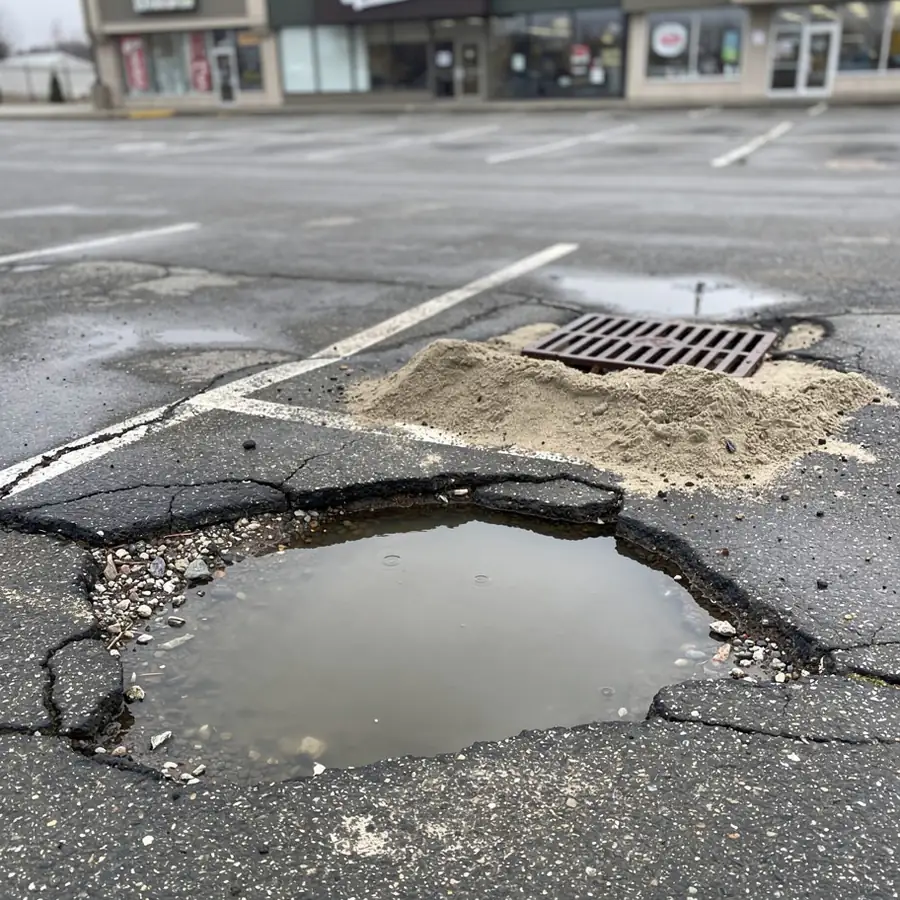
Water filled pothole in plaza parking lot

Your options

Patch Types and When We Use Each

We use three kinds of patch, and the right one depends on the depth of the damage and the time of year. Full-depth saw-cut patches are the permanent fix; the other two have narrower uses.

The table compares them, and the notes below explain where each one fits.

Full-Depth Saw-Cut Patches

We remove the asphalt down to firm ground, rebuild any soft base and repave the hole with hot mix in compacted lifts. It is the only patch that fixes the cause as well as the hole, so it is our default for potholes and alligator-cracked areas.

Skin Patches and Shallow Overlays

Where only the top surface has ravelled and the base below is firm, we tack the old asphalt and lay a thin lift of HL3 or HL3 Fine over it. It costs less but depends entirely on that bond, so we do not use it over cracks that move.

Cold Patch for Winter Emergencies

Hot mix plants usually close in December, so a pothole in January gets cold patch to make it safe. It is a temporary fill that rarely lasts past spring, and we tell you so before we place it.

Once the plants reopen, we cut the area out and patch it properly with hot mix.

Asphalt patch types compared
Patch typeHow long it lastsSeasonRelative cost
Full-depth saw-cut patchAs long as the pavement around it, when the base is rebuiltPaving season, about late April to mid-NovemberHighest per sq ft: $8 to $15 residential, $6 to $12 commercial
Skin patch or shallow overlaySeveral seasons on a sound base; edges can lift under heavy turningWarm, dry days in paving seasonLower than full depth, since no digging
Infrared repairAs long as the surrounding asphalt on a sound base, with no seamPaving season, extended with a hot box$450 to $900 for the first residential area
Cold patchWeeks to a few monthsAny time, as a stopgapLowest up front, but always redone

Our process

Our Saw-Cut Patching Process

A saw-cut patch takes a few hours on site and follows the same seven steps every time. Square, vertical, sealed edges are what make a patch last.

  1. Mark beyond the damage

    We paint a square or rectangle about 300 mm (1 ft) past the last visible crack, into solid asphalt. Sides run parallel and square to traffic so tires cross the seams cleanly.

  2. Saw-cut the edges

    A diamond-blade saw cuts straight, vertical walls through the full asphalt depth. Vertical faces give the new mix something to bond and lock against.

  3. Remove and inspect

    The old asphalt comes out with a skid steer breaker or by hand and goes to recycling. We check the base for wet clay, missing stone or roots, and book Ontario One Call locates first if the dig goes below the base.

  4. Rebuild the base

    Soft material is dug out and replaced with Granular A, compacted in lifts with a vibratory plate. Wet clay gets a layer of non-woven geotextile so the new stone does not sink into it.

  5. Tack the edges

    SS-1 asphalt emulsion is brushed onto the cut walls and the base of the hole. That tack coat glues new asphalt to old.

  6. Place and compact hot mix

    Hot mix goes in lifts, HL8 at the bottom of deep commercial patches and HL3 on top, each one compacted while still above about 85 C. The final lift is rolled flush so the patch holds no water and does not catch a plow blade.

  7. Seal the seams

    The joint between new and old asphalt is the weak line, so we seal it with hot-pour rubberized sealant. Water that cannot reach the seam cannot start the next pothole.

Property managers

Trip Hazards and Liability on Commercial Lots

Ontario's Occupiers' Liability Act requires whoever controls a property to take reasonable care that people using it are reasonably safe, and that includes the parking lot. Potholes, raised patch edges and broken asphalt in walking routes are among the most common trip hazards we are asked to fix.

Prompt, documented repairs are part of that care. This is how we help property managers in Kitchener, Waterloo and Guelph commercial properties keep their lots safe.

Fix by risk, not by size

A 50 mm lip at a store entrance is more urgent than a large pothole in the back row. We rank repairs by foot traffic: entrances, walkways and accessible parking first.

Keep the property open

Patching is phased by section with cones and barricades, and entrances can be done early in the day before customers arrive.

A written record of repairs

The itemized quote and invoice list each patch by location and size. Boards, insurers and owners can see what was found and when it was fixed.

Re-check every spring

Each thaw opens new damage. A spring walk-through, part of our commercial maintenance plans on the asphalt repair services page, catches it while it is still small.

Pricing

Patching and Pothole Repair Costs

Residential asphalt patching starts at $350, and small patches typically run $8 to $15 per square foot before HST. Commercial full-depth patches run $6 to $12 per square foot, because larger areas spread the setup cost.

  • Patch size and depth: a 100 mm deep patch uses about twice the hot mix of a 50 mm one.
  • Base repair: digging out soft clay and adding compacted Granular A is often half the work.
  • Number of areas: the saw, roller, crew and hot mix arrive once, however many patches there are.
  • Access and hand work: patches against steps, walls or garage slabs take longer than open areas.
  • Season: winter cold patch is cheap now but is paid for twice once the permanent repair follows.

Grouping repairs is the easiest way to lower the cost per patch. Ten patches on one visit cost far less each than two patches on five separate visits.

Each quote lists every patch with its size and depth, so you can compare it line by line against any other contractor.

FAQ

Patching Questions

These are the patching questions homeowners and property managers ask us most often.

How long does an asphalt patch last?

A saw-cut, full-depth hot-mix patch on a rebuilt base usually lasts as long as the pavement around it. Throw-and-roll cold fills often fail within a season because they never bond to the edges of the hole.

What can be done about a pothole in January?

We can fill it with cold patch to make it safe, then replace it with a permanent hot-mix patch once the plants reopen in spring. On a dry, snow-free surface, infrared asphalt repair may also be an option, and we confirm that when you call.

Will the patch be level with the rest of my driveway?

Yes. We roll the final lift flush with the existing surface so it sheds water and does not catch a snowplow, though the new asphalt will look darker until it weathers or the driveway is sealed.

Should I patch a driveway that needs replacing anyway?

Only as a short-term fix to get through a season. If alligator cracking covers a large share of the surface, patching money is better spent on driveway removal and replacement, and we will tell you when that point has come.

Do you need to dig up my lawn to fix a broken edge?

Usually only a narrow strip. An edge breaks because nothing supports it, so we cut back to solid asphalt, add compacted stone along the side and then patch, and you reseed or re-sod the strip afterward.

Free quote

Book a Patching Visit

Send us photos of the potholes or book a site visit, and we will mark each repair and price it in writing. Add crack sealing to the same visit so the cracks around your patch do not become next spring's pothole.

  • Square saw-cut edges and sealed seams on every hot-mix patch
  • Soft base dug out and rebuilt with compacted Granular A
  • Patches covered by our 1-year labour warranty in writing
Shop
324 Stirling Ave S, Kitchener, ON N2M 3H6
Monday to Saturday
7:00am to 9:00pm
Sunday
9:00am to 9:00pm
Call 548-457-2043Free Quote